2026-10-10 ·
Lehi Seasonal Roof Maintenance Checklist (Spring/Fall)
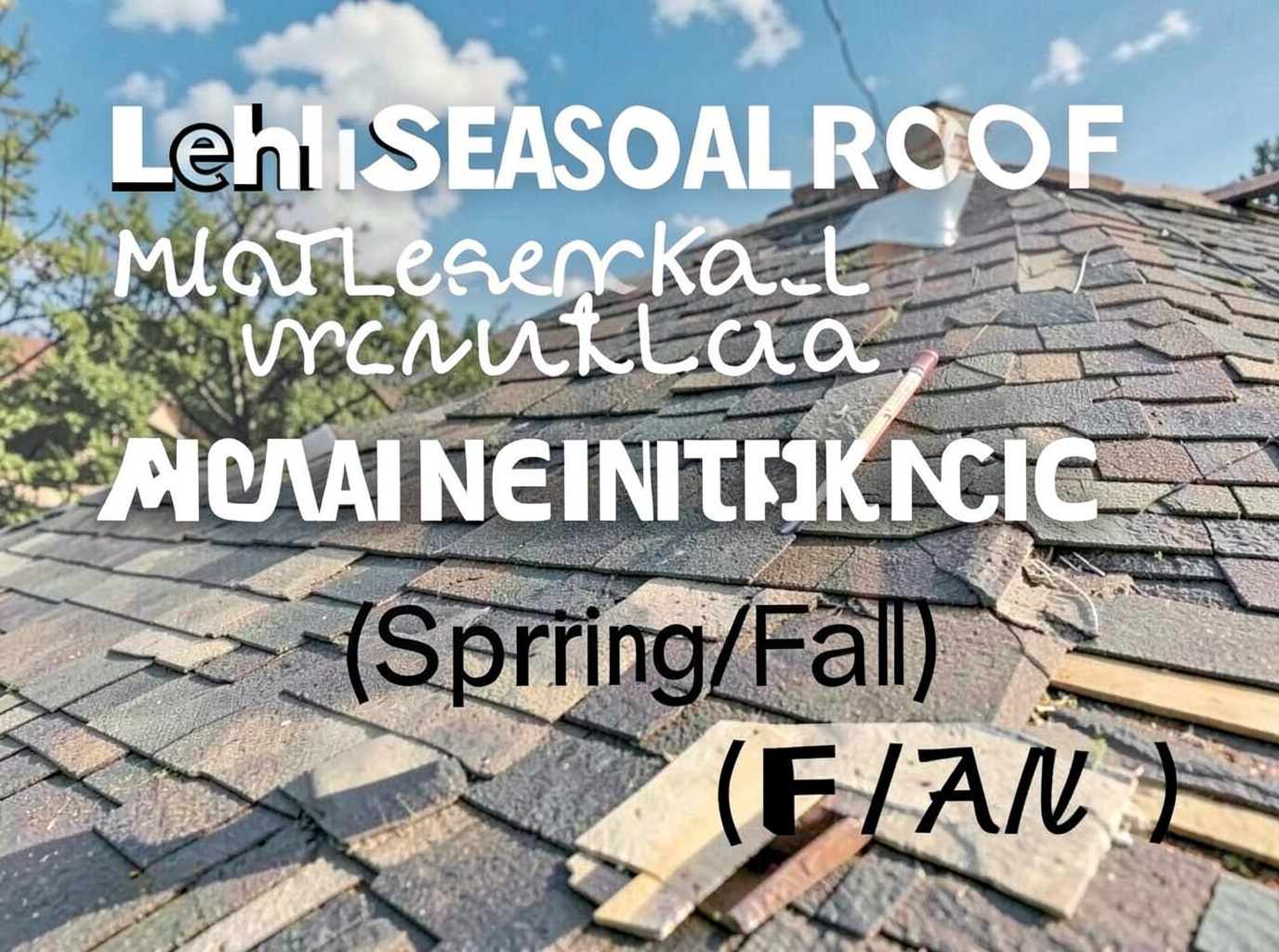
Lehi roofs need targeted spring and fall checks twice a year because the semi-arid climate brings intense summer heat that bakes shingles followed by cold winters that create ice dams and wind-driven leaks. Focus first on visible flashing around chimneys and skylights, then clear debris from valleys and gutters while inspecting for granule loss on south-facing slopes common in Jordan Willows and South Lehi.
Spring Roof Inspection Steps
Begin every spring by walking the roof after snowmelt to spot damage from winter freeze-thaw cycles that crack shingles in neighborhoods such as The Preserve and Dry Creek. Check valley flashing for rust or separation where water concentrates, and examine eaves for lifted tabs caused by canyon winds that funnel through Lehi from the west. Use binoculars from the ground to scan for missing granules near Thanksgiving Point where newer homes sit on exposed ridges. Clean gutters thoroughly before summer rains arrive, and note any soft spots in the decking that indicate hidden leaks from the prior season. Homeowners in North Lehi often see accelerated wear on 15- to 20-year-old roofs because of the area's higher wind exposure compared to sheltered spots near Lehi City Hall.
Fall Preparation Checklist
In fall, focus on sealing entry points before temperatures drop and snow loads build on roofs throughout Lehi Main Street District and surrounding subdivisions. Replace any cracked or missing shingles and re-secure loose flashing around vents and skylights to prevent water intrusion during the first heavy storms. Trim tree branches that overhang the roof to reduce leaf accumulation and moisture retention that leads to rot in the underlayment. Apply a fresh coat of sealant to pipe boots and chimney flashing where expansion joints have opened from summer heat. Residents near the Utah State Developmental Center and Lehi Cemetery benefit from these steps because older housing stock in those zones shows more seam separation after decades of exposure.
Addressing Ice Dams and Wind Effects
Ice dams form along eaves in Lehi when attic heat melts snow that refreezes at the colder roof edge, forcing water under shingles. Improve attic ventilation and add insulation to keep the roof surface uniformly cold, especially on homes in American Fork and Draper where similar elevation and exposure patterns exist. Canyon winds common in Eagle Mountain and South Lehi can lift shingles along the leading edges, so inspect and replace damaged tabs before winter. For persistent issues, review proven methods in Ice Dams: Why They Cause Leaks & How to Stop Them and consider professional Ice Dam Removal & Prevention when buildup exceeds what basic raking can handle.
Wind Damage and Leak Prevention
High winds along ridges near Thanksgiving Point and The Preserve often tear shingles or displace ridge caps, creating entry points for rain that later freezes. Secure or replace any loose ridge vent material and check for nail pops that signal deck movement from temperature swings. In fall, verify that all step flashing remains tight against walls to block wind-driven rain common in this part of Utah County. Track these observations year to year so patterns become clear before small problems turn into interior water damage in homes built during Lehi's growth periods.
When to Call for Professional Review
Schedule a full inspection if you notice daylight through the roof deck, widespread granule loss in gutters, or recurring moisture stains on ceilings. These signs often appear first in exposed areas like Vista Ridge or Canyon Hills where wind and sun hit hardest. Early detection keeps repairs limited to targeted fixes rather than full replacements on roofs that still have service life left.